When you visit a merchant by clicking a link on this site we may make a commission on anything you buy (at no additional cost to you). Affiliate programs and affiliations include, but are not limited to Amazon Associates and the eBay Partner Network.”
At A Glance
8Cr13MoV, a Chinese stainless steel, is appreciated for its good balance of toughness, edge sharpness, and corrosion resistance, making it a great choice for cost-effective, quality knives. Conversely, 440C, a high-carbon stainless steel, is renowned for its excellent hardness and corrosion resistance due to its higher carbon and chromium content. This makes it a preferred steel for knife makers seeking superior edge-holding capability. While 8Cr13MoV is ideal for everyday use knives, particularly for those on a budget, 440C stands out for tasks demanding greater hardness, corrosion resistance, and edge retention. Ultimately, the selection between 8Cr13MoV and 440C will depend on specific requirements and preferences.
Top Rated Knives
8CR13MOV


The art of crafting a knife involves myriad choices, and the selection of blade steel is a decision that profoundly affects the final product. In this article, we focus on the comparison between two prominent knife steel types: 8Cr13MoV and 440C. We’ll explore their composition, hardness, toughness, corrosion resistance, edge retention, and ease of sharpening, allowing you to discern which might serve your knife needs best.
Just as a chef artfully combines ingredients to create a dish that pleases the palate, so too does the careful balance of elements in blade steel make all the difference in its performance.
Steel Background
Understanding the origin and creation of each steel aids in their comparison.
8Cr13MoV
8Cr13MoV is a Chinese stainless steel often compared to AUS-8. It is a middle-range steel that’s seen as a good value, offering a good balance of toughness, edge sharpness, and corrosion resistance. 8Cr13MoV is a popular choice for affordable knives of good quality.
440C
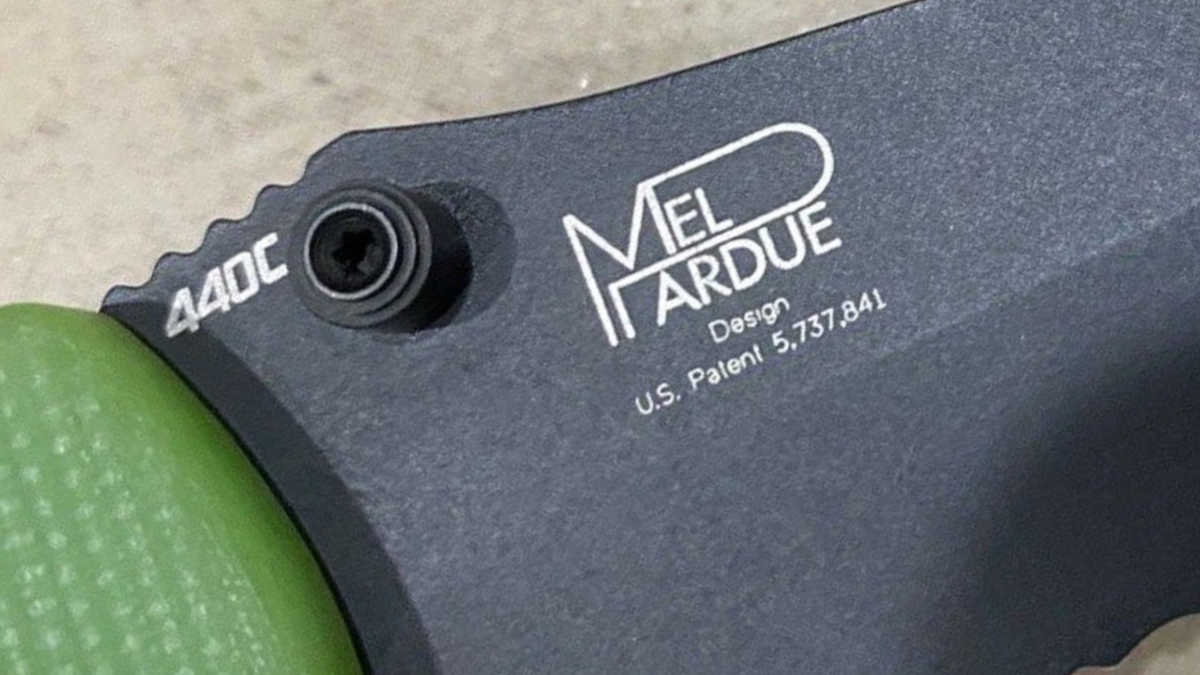
440C is a high-carbon stainless steel, one of the earliest super steels. It has a high chromium content, which provides excellent hardness and corrosion resistance. 440C is a favored steel for knife makers due to its ability to reach a high hardness, its decent resistance to rust, and its slightly more superior edge-holding capability compared to other low-cost steels.
➤ Read More: Our Full Review of 440C
Steel Composition
Let’s start our comparison by looking at the elemental composition of each steel.
8Cr13MoV
- Carbon: 0.8%
- Chromium: 13.0%
- Molybdenum: 0.2%
- Vanadium: 0.1%
- Nickel: 0.4%
- Manganese: 1.0%
- Silicon: 1.0%
- Phosphorus: 0.04%
- Sulfur: 0.02%
440C
- Carbon: 1.1%
- Chromium: 17.0%
- Molybdenum: 0.5%
- Vanadium: 0.2%
- Manganese: 1.0%
- Silicon: 1.0%
- Sulfur: 0.03%
From the composition, we can see that 440C contains more Carbon and Chromium than 8Cr13MoV, making it harder and offering better corrosion resistance.
8Cr13MoV vs 440C – Complete Comparison
Hardness
Hardness is key to the performance of a knife, affecting edge retention and resistance to wear.
8Cr13MoV offers a Rockwell hardness (HRC) of 57-59. This mid-range hardness affords the steel a balance between edge retention and ease of sharpening.
440C, with its higher carbon content, reaches a higher Rockwell hardness (HRC) of 58-60, giving it an advantage in terms of edge retention and wear resistance.
Toughness
The toughness of a steel is its ability to resist chips and cracks under use.
8Cr13MoV, with its balanced hardness, offers good toughness. It can withstand a reasonable amount of use without chipping or breaking, making it suitable for everyday use.
440C is also tough, but the increased hardness can lead to increased brittleness. However, it’s still able to stand up to considerable use without undue damage.
Corrosion Resistance
Corrosion resistance determines a steel’s ability to withstand rust and oxidation.
8Cr13MoV, with its decent Chromium content, offers fair corrosion resistance, making it suitable for knives exposed to the elements.
440C, on the other hand, contains more Chromium, enhancing its ability to resist corrosion. This makes it a good choice for knives used in wet or humid environments.
Ease of Sharpening
Ease of sharpening represents how straightforward it is to hone the steel using standard methods.
8Cr13MoV, with its balanced hardness, is relatively easy to sharpen and does not require specialized tools or techniques.
440C, because of its higher hardness, may be a bit more challenging to sharpen but is still manageable with common sharpening tools and patience.
Edge Retention
Edge retention indicates how long a blade can maintain its sharpness through use.
8Cr13MoV, while not excelling in this category, offers reasonable edge retention, making it suitable for knives used for general tasks.
440C, with its higher hardness, exhibits superior edge retention, reducing the need for frequent sharpening and making it a good choice for more demanding tasks.
Price
8Cr13MoV is generally more affordable and provides good value for budget-conscious consumers.
440C, due to its superior properties, typically commands a higher price, making it a more premium option.
Conclusion
Both 8Cr13MoV and 440C are capable blade steels with distinct strengths. 8Cr13MoV offers good toughness and ease of sharpening, and it’s a good choice for everyday use knives and those on a budget. 440C, on the other hand, offers better hardness, corrosion resistance, and edge retention, making it suitable for more demanding tasks and environments.
The choice between 8Cr13MoV and 440C will depend on your specific needs and preferences. Both steel types have proven themselves in the knife-making world and have earned their places in the industry. As always, ensure that your knife is purchased from a reputable brand and manufacturer to guarantee you’re getting the best quality steel.
N690 Knife Steel – How Good Is It Really? (My Full Review)
Your Guide To Modern Obsidian Knives (And Where To Buy One)
What Is A Santoku Knife? (And When To Use One…)
N690 vs 154CM – Which Makes Better Knives?
Are Butterfly Knives Illegal? (In Which States & Why…)
Elmax vs Magnacut – Battle of the Blade Steels
When you visit a merchant by clicking a link on this site we may make a commission on anything you buy (at no additional cost to you). Affiliate programs and affiliations include, but are not limited to Amazon Associates and the eBay Partner Network.”